







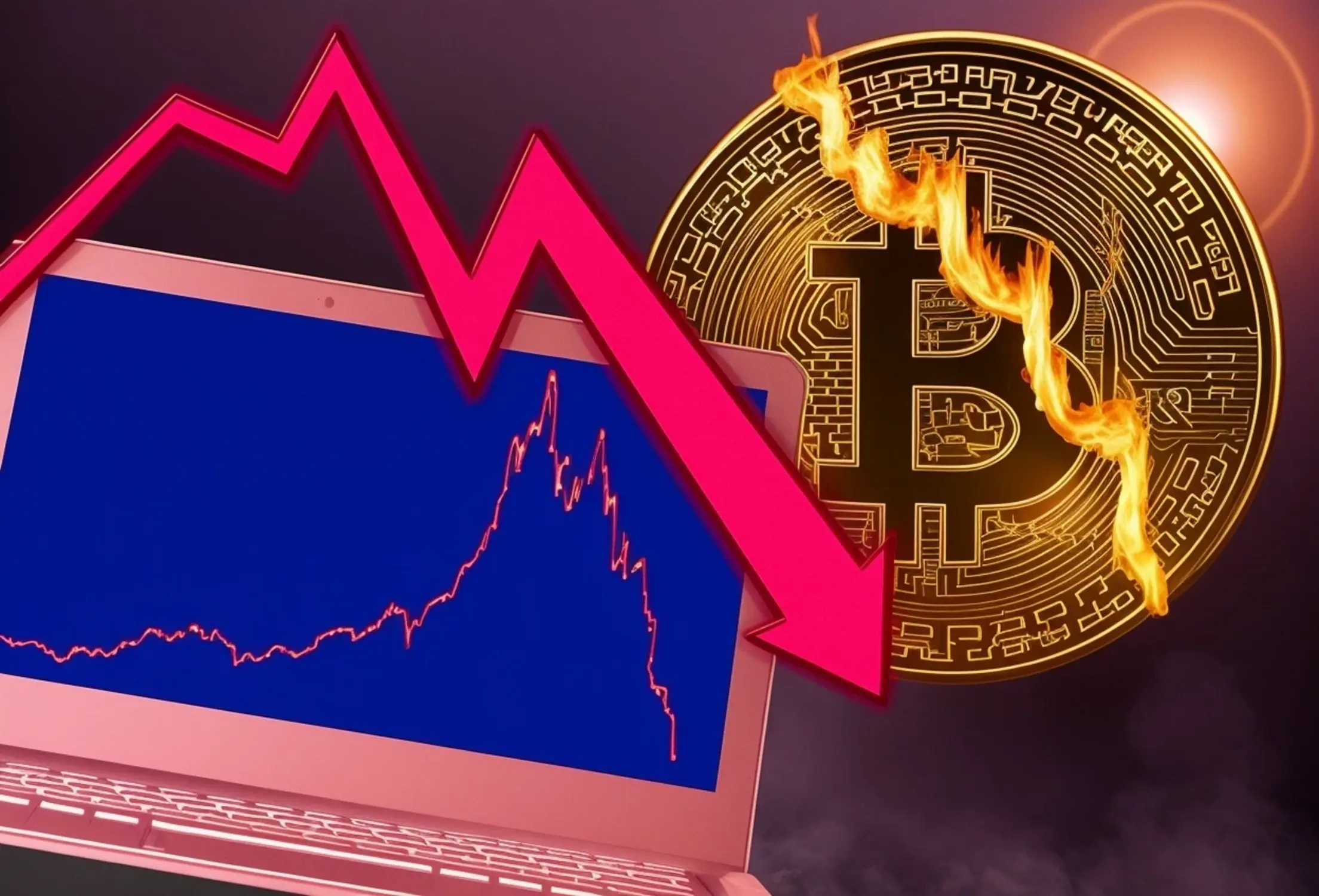
Bitcoin’s recent crash has triggered a significant wave of crypto volatility, sparking concerns among investors. Understanding market emotions and strategies for emotional resilience is more crucial now than ever for navigating this unpredictable landscape.
Impact of Crypto Volatility on Investors
Cryptocurrency markets are notoriously volatile, and this volatility can profoundly affect investor sentiment. When Bitcoin’s price dramatically declines, as it has recently, many investors experience a mix of fear and uncertainty. This sudden shift can lead to panic selling or a withdrawal from the market altogether. According to recent reports, Bitcoin recently retreated to around $88,650, marking a weekly decline of over 12%. Such drastic changes in value often spark emotional responses that can cloud judgment.
The psychological aspects of market downturns are complex. Investors often struggle to distinguish between rational decision-making and their emotional impulses. Historical data illustrates that during periods of significant market declines, investor behavior tends to skew towards extreme fear as they anticipate further losses. The total market capitalization of cryptocurrencies has also suffered; it recently fell to approximately $3.06 trillion, reflecting the tightening liquidity and macroeconomic concerns that plague the crypto space (Economic Times). This shift in sentiment highlights the critical connection between market volatility and investor psychology.
Bitcoin Crash and Its Market Repercussions
The recent crash of Bitcoin serves as a stark reminder of the unpredictable nature of cryptocurrency markets. Bitcoin’s value dropped significantly, which not only impacts its own investors but also influences a broader array of cryptocurrencies. The Bitcoin crash often leads to a ripple effect; as Bitcoin’s performance falters, other altcoins such as Ethereum, XRP, and BNB typically follow suit. Investors often view Bitcoin as a benchmark and may react by liquidating positions in other cryptocurrencies, exacerbating market declines.
Moreover, the Bitcoin crash has prompted many investors to alter their strategies dramatically. As fear grips the markets, some may resort to defensive measures such as holding cash or diversifying their portfolios beyond cryptocurrencies. Others may seek to capitalize on the lower prices by purchasing during the downturn, reflecting a bullish outlook for the long term. This dual approach illustrates how the market can be both a risk and an opportunity, depending on the investor’s mentality and strategy.
Current Market Emotions Among Traders
During downturns, trader psychology plays a pivotal role in influencing market movements. Emotionally charged environments, marked by fear, greed, and uncertainty, can lead to irrational trading behaviors. Fear of losing money can drive many traders to sell off assets during a drop, perpetuating a cycle of declining prices. Conversely, greed can prompt some to buy during these declines, anticipating a recovery.
Traders often experience heightened emotional states that impact their decision-making processes. Fear can manifest as anxiety about missing out on future gains or a dread of further losses. In volatile periods, recognizing these emotional triggers is essential. According to market analysts, current trends suggest that the dominant emotions in the marketplace during a crash often shift towards pessimism and caution, reinforcing the need for emotional resilience.
Investment Strategies in Times of Crisis
Investing in times of crisis requires strategic foresight. Amidst market volatility, it’s vital for investors to adopt effective strategies that protect their investments while positioning them for potential rebounds. Diversifying portfolios remains one of the most reliable approaches to managing investment risk in such markets. Spreading investments across various assets helps mitigate the impact of a significant downturn in any single asset class.
Additionally, investors must decide between long-term and short-term investment perspectives. Those with a long-term vision may view downturns as opportunities to buy at lower prices, preparing for eventual price recoveries. In contrast, short-term traders may capitalize on small fluctuations but need to be cautious of emotional influences that might prompt rash decisions during crises. Essentially, a balanced investment strategy can help navigate the turbulent waters of cryptocurrency markets.
Building Emotional Resilience as an Investor
Maintaining composure during market upheavals is essential for success in cryptocurrency trading. Developing emotional resilience involves recognizing one’s emotional triggers and employing techniques to manage stress effectively. This can include mindfulness practices that encourage a calm and collected approach to trading.
Understanding emotional triggers is crucial; many investors may experience a sudden surge of anxiety or fear when witnessing drastic market changes. Learning to identify these feelings can aid in mitigating their impact. By incorporating mindfulness techniques, such as focused breathing or strategic pauses before making trading decisions, investors can make more rational choices rooted in data rather than emotion.
Building emotional resilience also involves embracing a mindset that separates personal worth from market performance. Recognizing that the volatility of cryptocurrencies is inherent can empower investors to highlight long-term goals over short-term fluctuations.
Predictions and Future Outlook for Bitcoin
As Bitcoin seeks to stabilize following its recent crash, various recovery scenarios are being discussed by industry experts. While the current low may prompt pessimism, some analysts suggest that Bitcoin could recover to higher levels in the near future. Factors influencing this potential recovery range from macroeconomic conditions to institutional investment flows.
Experts note that the prevailing market emotions significantly impact Bitcoin’s trajectory. Should fear continue to dominate the market, recovery may take longer. However, optimism from institutional investors could drive a resurgence in Bitcoin’s price. As the market undergoes consolidation, subtle indicators may emerge, signaling whether Bitcoin can reclaim its previous highs or continue to hover around its current level near $87,000. The interplay of fear, optimism, and volatility will ultimately shape the future of Bitcoin (Economic Times).
Conclusion: Preparing for Market Volatility Ahead
Navigating future volatility requires a proactive approach. Key takeaways from recent market events emphasize the necessity for emotional resilience in investing. As markets shift, adapting investment strategies becomes increasingly essential. Whether through diversification or a focus on long-term goals, investors must remain vigilant and prepared for changes.
Ultimately, the importance of emotional resilience cannot be overstated. In a landscape defined by uncertainty and rapid fluctuations, maintaining composure can be the difference between loss and gain. Investors should embrace the lessons learned from Bitcoin’s crash as they prepare for potential market volatility ahead.
About The Author





More Stories
How New Investors Are Using AI Trading Bots to Navigate Crypto Markets
Why Trump’s Comments Are Shaking the Ethereum Market to Its Core
How Investors Are Using FOMC Insights to Navigate Crypto Trends