






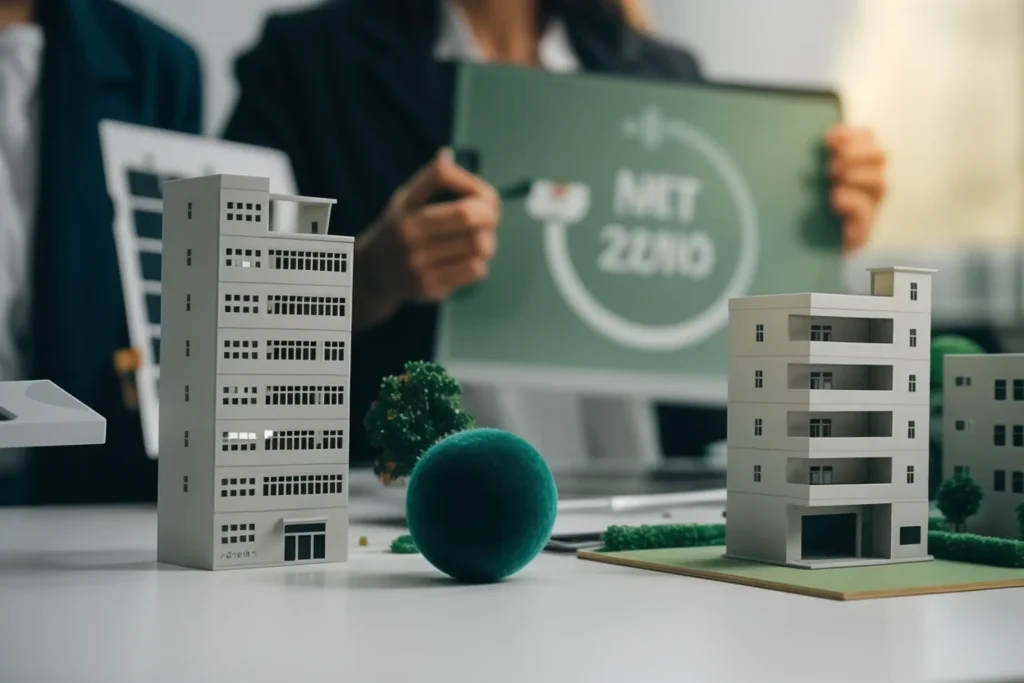
The transformation in industrial real estate is reshaping our economic landscape, affecting supply chains, logistics, and workforce strategies. As we navigate the post-pandemic economy, understanding these changes is crucial for businesses to adapt and thrive.
Reimagining Spaces for a New Economic Era
The shift from traditional retail to e-commerce has drastically influenced industrial spaces across the globe. Once primarily focused on storage, these facilities are evolving into dynamic hubs for distribution and logistics. With the increased demand for quicker delivery times, businesses are modifying their operational strategies, emphasizing location as a critical factor for success.
For instance, companies are increasingly looking for warehouse spaces closer to urban centers. This adaptation not only shortens delivery times, catering to consumer expectations, but also allows businesses to optimize their supply chain efficiency. According to recent reports, adaptive reuse, where older industrial sites are transformed for new uses, is becoming a prevalent strategy. This trend allows companies to meet the modern demands of the post-pandemic economy while reducing environmental impact by repurposing existing structures.
The Surge of E-Commerce and Industrial Demand
The explosion of online shopping during the pandemic has led to an unprecedented demand for industrial real estate. As consumers increasingly prefer the convenience of e-commerce, warehouses have become essential to satisfying these expectations. The need for expansive, strategically located storage facilities has never been greater. In fact, studies reveal that warehouse space in many markets has become scarce, driving prices up significantly.
To adapt, companies are innovating in inventory management and distribution strategies. Technologies such as automation and data analytics are playing crucial roles in optimizing warehouse operations. By streamlining processes, businesses can effectively manage their supply chains and ensure that products reach consumers in a timely manner. The surge in demand for industrial real estate driven by e-commerce thus represents a substantial shift in the market landscape.
Post-Pandemic Transformations in Industrial Real Estate
The economic transformations spurred by the pandemic necessitated a reevaluation of how industrial spaces are utilized. A growing emphasis on sustainability and energy efficiency is rapidly shaping new developments. For instance, many companies are investing in eco-friendly technologies and sustainable practices to reduce their carbon footprint.
Additionally, the remote work phenomenon is reshaping logistics and supply chains. As more employees work from home, businesses are reconfiguring their operations to remain agile in a changing market. This reevaluation underscores the importance of flexibility in industrial real estate. Firms are now focusing on adaptive spaces that can cater to varied needs as market conditions shift.
Navigating Economic Challenges in Real Estate
Currently, various economic pressures are influencing investments in industrial real estate. Rising costs, fluctuating demand, and supply chain difficulties pose significant challenges for businesses. Investors must navigate these complexities to secure adequate space for their operations.
Market fluctuations can have profound implications for developers, prompting them to reassess their strategies. Companies must carefully evaluate locations and facility designs to ensure they are not only suitable for current needs but also adaptable to future trends. The current economic landscape requires a strategic approach to make informed decisions in industrial real estate investments.
Future-Proofing Industrial Properties
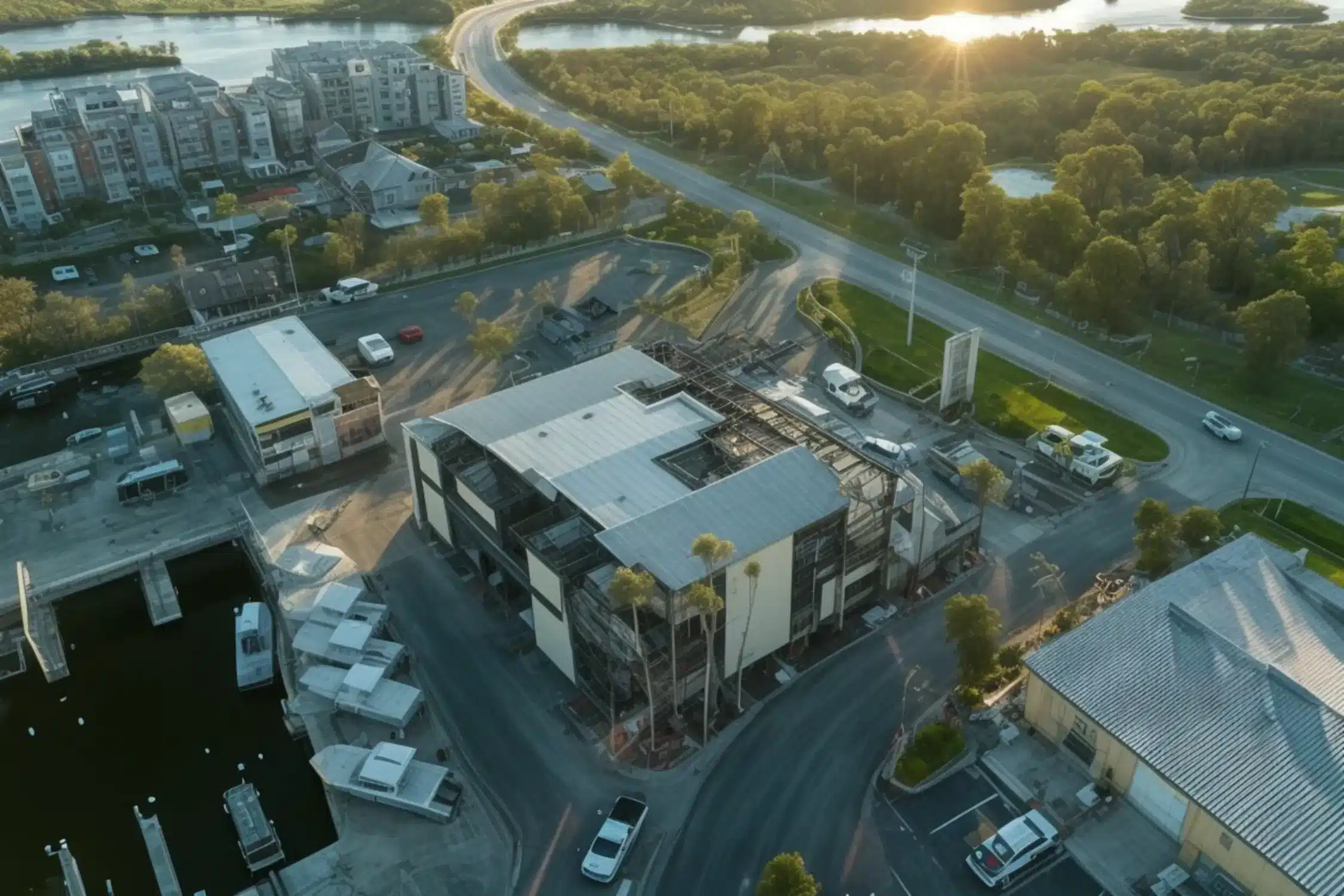
As the market continues to evolve, future-proofing industrial properties has become essential for business sustainability. Strategies for adapting to fast-changing market demands include prioritizing flexibility in design and functionality. Spaces that can serve multiple purposes are becoming highly sought after, as they provide businesses with the adaptability needed in uncertain environments.
Moreover, embracing technology integration is vital for modern industrial spaces. Automated systems and smart technologies can significantly enhance operational efficiency. By adopting these innovations, businesses can remain competitive and responsive to the dynamic market.
Action Steps for Stakeholders in the Industry
Investors and developers in the industrial sector must consider several action steps to remain competitive. Firstly, understanding and leveraging current trends is paramount. Stakeholders should focus on sustainable practices, flexible designs, and technology integration to align with market demands.
Additionally, resources such as industry reports and market analyses can provide valuable insights into emerging trends and shifts. Keeping abreast of these developments can offer a significant advantage in an increasingly competitive landscape. Ultimately, forming strategic partnerships and engaging with experts can also facilitate successful adaptations in the evolving world of industrial real estate.
About The Author





More Stories
Why the PEPE Surge Will Revolutionize the Altcoin Market
How Freelancers Are Using Crypto Cash Out Services to Manage Expenses
Why Artificial Intelligence and Blockchain Are Set to Transform the Global Economy