






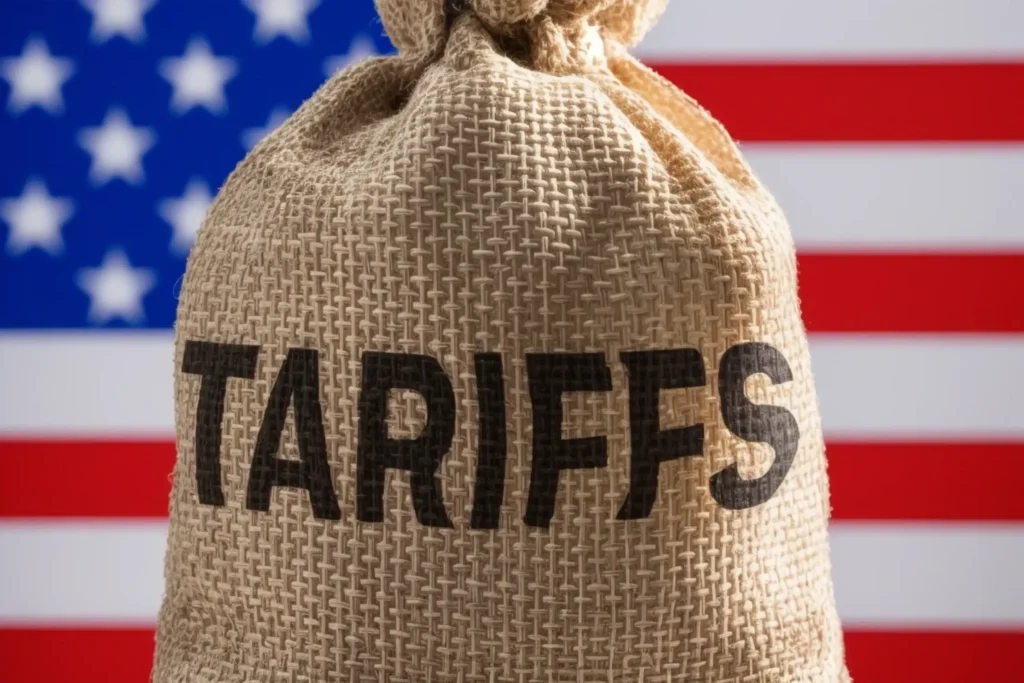
As US tariffs evolve, we must closely examine their potential effects on Canada’s economy. With the North American trade landscape in flux, understanding how these changes impact employment, energy policy, and cross-border relations is essential for Canadians and businesses alike.
The Urgency of Economic Disruption in Canada
The shifting landscape of US tariffs is undeniably reshaping trade dynamics across the continent. These changes herald significant financial implications for Canadian industries that heavily rely on their southern neighbor. For instance, research indicates that the introduction of tariffs could lead to a $50 billion hit to Canada’s economy as noted by a recent report. This figure translates to approximately $1,300 for every Canadian, underscoring the urgency for immediate action.
Tariffs can disrupt established supply chains and inflate costs for consumers, creating a ripple effect that could increase economic uncertainty. Without proactive measures, industries may face drastic cuts, and employment opportunities could dwindle, leaving Canadians grappling with a complex economic climate.
The Impact of US Tariffs on Canada’s Economic Future
Projected financial deficits due to tariffs indicate a troubling future for Canada. As industries prepare for the aftermath of these changes, certain sectors stand out as particularly vulnerable. For instance, the manufacturing and agriculture sectors may struggle as tariffs escalate costs and restrict markets. Potential financial deficiencies could curtail investments, leading to fewer jobs and reduced consumer spending.
Furthermore, speculation regarding future trade negotiations adds another layer of complexity. Economic experts predict that Canada may need to alter its trade agreements significantly or explore new partnerships to safeguard its interests. Such adjustments could redefine Canada’s economic strategies and shape the trajectory of its growth amid external pressures.
Shifts in Canada’s Energy Policy Landscape
In light of growing tariff threats, Canadian governmental responses are evolving. As Prime Minister Mark Carney acknowledges the potential financial fallout from US tariffs, a shift towards bolstering Canada’s energy sector is apparent. This includes promoting oil exports while reducing reliance on US markets. Notably, 90 percent of Canada’s oil exports go to the US, making this transition crucial for economic stability.
As Canada adapts, environmental considerations remain at the forefront of energy strategies. Scrutinizing emissions and pipeline construction has led to tensions with environmentalists, highlighting the need for balance between economic growth and ecological responsibility. This evolving energy policy landscape represents a key component of Canada’s response to the pressures of changing trade dynamics.

Crypto Market Impacts amid Tariff Changes
The burgeoning crypto market in Canada faces unique challenges as US tariffs complicate the economic landscape. While cryptocurrencies provide alternatives to traditional financial systems, they are also subjected to market volatility heightened by tariff changes. Tariffs can indirectly affect investor confidence in crypto assets, opening the door for both risks and opportunities.
Investment experts suggest that the current climate may create unique circumstances for crypto enthusiasts. Those seeking to diversify their portfolios might find value in cryptocurrencies as traditional markets face instability. However, it is imperative to approach these investments with caution due to the shifting regulatory environment influenced by tariff discussions.
Addressing Cross-Border Relations and Trade
The relationship between the US and Canada plays a critical role in economic stability. Recent tensions over tariffs showcase how fragile this connection can be. To foster cooperation despite these challenges, both nations may need to explore innovative solutions. Insights from trade experts suggest focusing on building resilient trade agreements and alliances that can stand the test of economic shifts.
Enhancing cross-border cooperation will be vital in mitigating the adverse effects of tariffs. Strengthened partnerships and open dialogues can lead to economic resilience, ultimately benefiting both countries in navigating this tumultuous period.
Actionable Strategies for Canadians Facing Economic Change
As Canadians face these economic shifts, proactive measures become essential. Individuals and businesses alike need to adapt, diversifying markets and resources to mitigate potential losses. Here are some actionable strategies:
– Explore New Markets: Look beyond traditional partners to identify emerging markets for exports.
– Invest in Innovation: Embrace technological advancements that can improve efficiency and reduce costs.
– Build Networks: Strengthen alliances with local businesses and communities to foster resilience.
In conclusion, while the changing dynamic of US tariffs presents challenges, it also offers an opportunity for Canadians to rethink and reinforce their economic strategies for future stability. By taking these steps, Canada can navigate the uncertainties and emerge stronger amidst evolving trade landscapes.
About The Author





More Stories
Why the PEPE Surge Will Revolutionize the Altcoin Market
How Freelancers Are Using Crypto Cash Out Services to Manage Expenses
Why Artificial Intelligence and Blockchain Are Set to Transform the Global Economy